


Why Brand Consistency Matters for Growing Businesses in Rwanda
When customers see your business logo on social media, visit your website, receive your company brochure or walk into your office, they should recognise that all these experiences belong to the same organisation.
That is the purpose of brand consistency.
A professional brand is not simply a logo or a collection of attractive colours. It is the complete identity your business presents to customers through its visual appearance, communication, services and customer experience.
For businesses in Rwanda competing for attention in increasingly digital markets, maintaining a consistent brand can help create recognition, communicate professionalism and build customer confidence.
Whether you operate a hotel, construction company, retail shop, technology business or professional service, your brand deserves a clear and consistent identity.
1. Understand what brand consistency means
Brand consistency means presenting your business in a recognisable and coordinated way wherever customers interact with it.
It involves more than repeating the same logo.
Your brand should maintain a consistent approach to:
Logo and visual identity.
Colours and typography.
Photography and graphic design.
Writing style and communication tone.
Website and social media presentation.
Marketing materials.
Customer service experience.
For example, imagine a company whose website uses professional navy and gold colours, but whose social media graphics use unrelated colours, fonts and logo variations.
Customers may struggle to recognise that the materials belong to the same company.
A consistent identity makes the relationship between different business materials clearer.
2. Create a recognisable visual identity
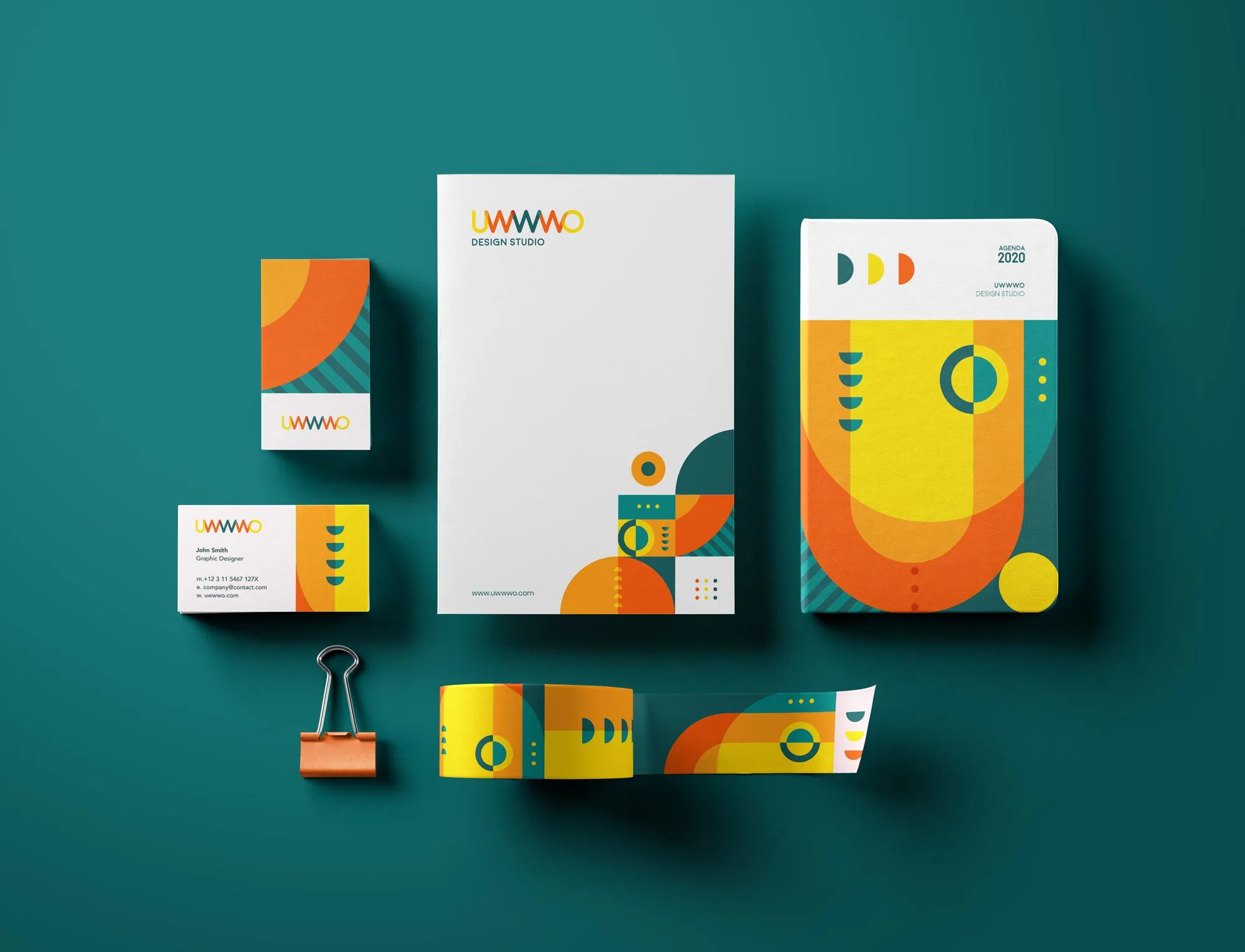
Your visual identity is often the first thing people notice about your business.
It should communicate the personality and positioning of your organisation.
A visual identity commonly includes:
Logo: Your main brand symbol and wordmark. It should remain recognisable across different sizes and applications.
Colours: A carefully selected colour palette used consistently in digital and printed materials.
Typography: Fonts selected for headings, body text and other communication.
Imagery: Photographs, illustrations and graphics that reflect your business identity.
Layout style: Consistent spacing, alignment, visual hierarchy and graphic elements.
Your business does not need dozens of colours or complicated design elements. A clear visual system that can be applied repeatedly is often more useful.
3. Use the same brand identity across your website

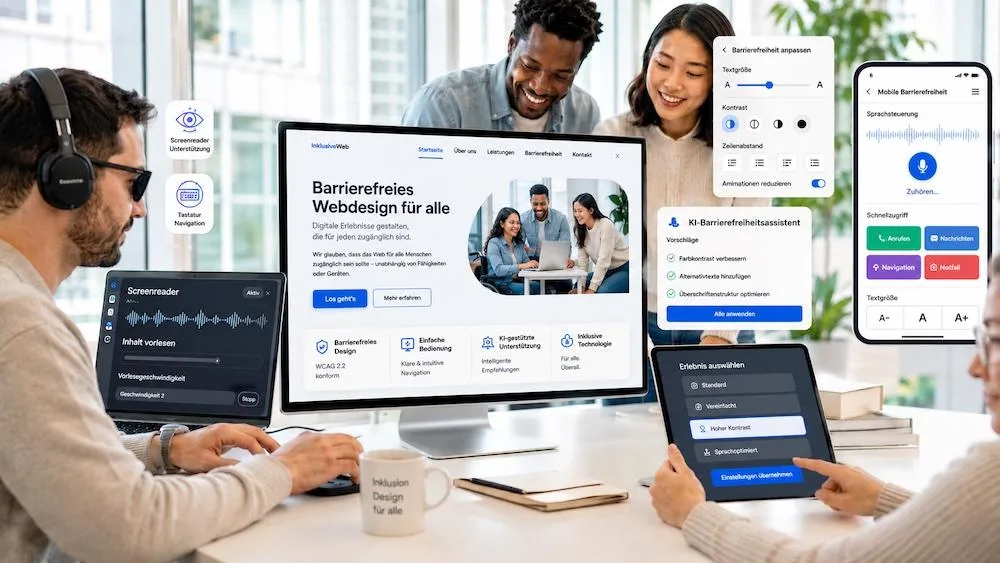
Your website is one of your most important digital communication channels.
It should reflect the same identity customers see in your other business materials.
Pay attention to:
Consistent logo placement.
Matching brand colours.
Readable typography.
Professional photographs.
Consistent buttons and icons.
Clear navigation.
Matching design across all pages.
For example, if your business uses orange, turquoise and blue as its main brand colours, those colours should be applied thoughtfully throughout the website.
The objective is not to make every page look identical. Each page can have a different layout while maintaining the same overall visual language.
A professional website should also work well on mobile devices, since customers may visit it using phones, tablets and computers.
4. Keep your social media designs consistent
Many businesses use several social media platforms to communicate with customers.
However, using different visual styles on every platform can make the brand appear disconnected.
Create reusable design templates for:
Promotional announcements.
Product and service advertisements.
Educational posts.
Customer testimonials.
Company updates.
Event announcements.
Job advertisements.
Templates help your team create new content while maintaining the same brand identity.
Your Facebook, Instagram, LinkedIn and other business profiles should also use appropriate versions of the same logo, colours and visual style.
Remember that consistency does not mean publishing the same content everywhere. Adapt the message to each platform while preserving your identity.
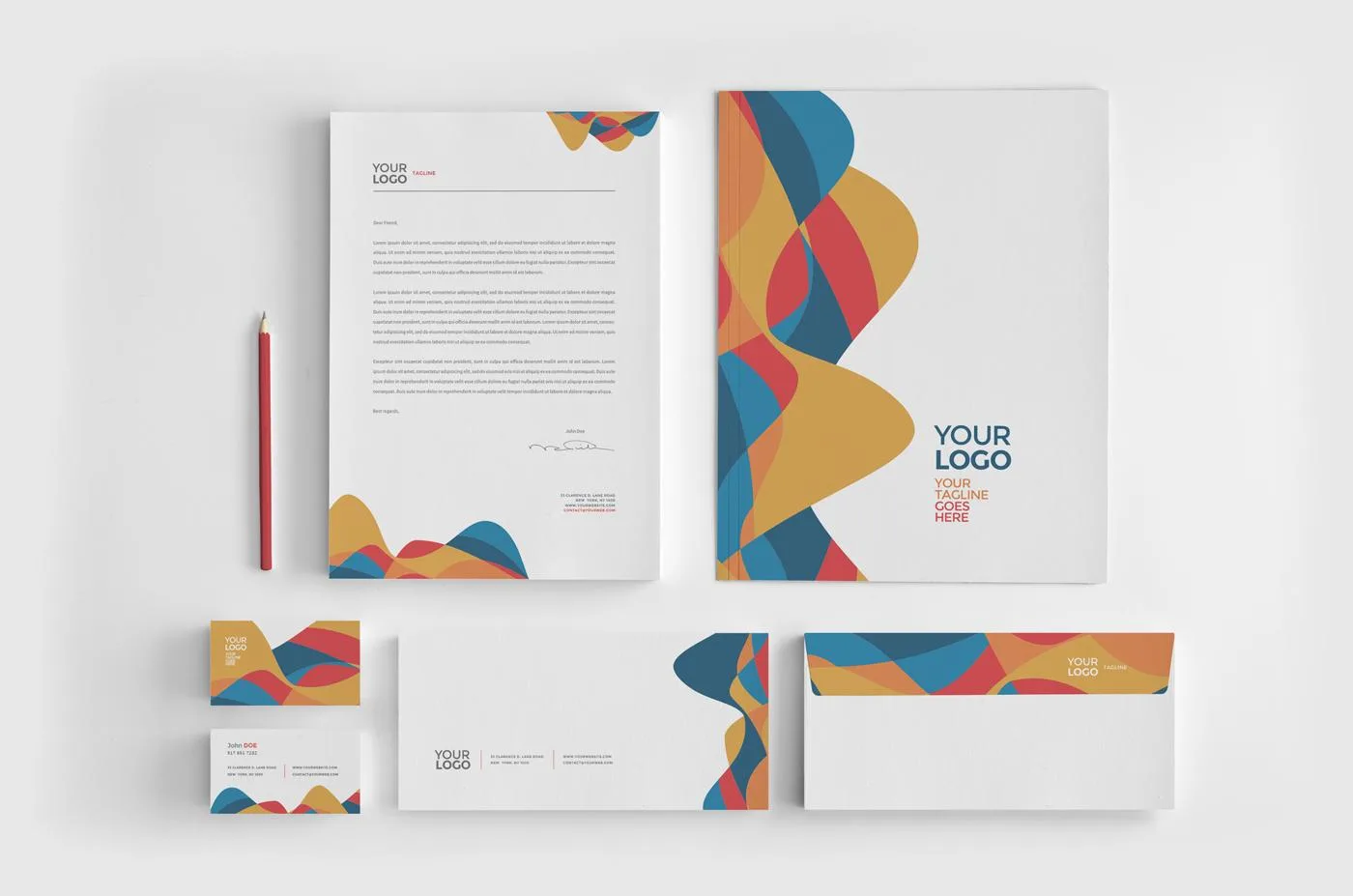
5. Maintain professional branding in printed materials
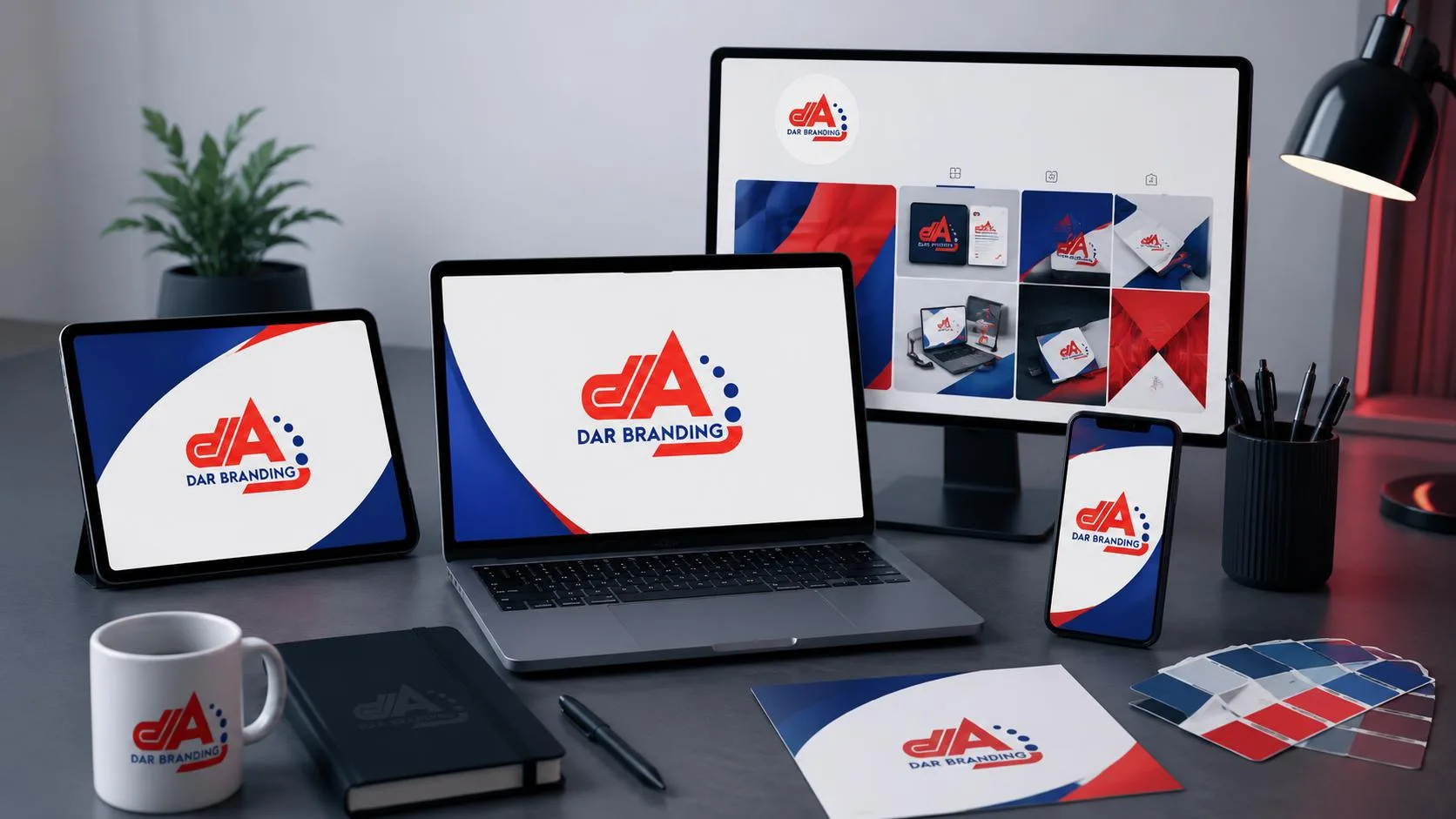
Although digital marketing is important, physical business materials still play a role in professional communication.
Consider the materials your business gives to customers, partners and suppliers.
These may include:
Business cards.
Company profiles.
Quotation documents.
Invoices and receipts.
Company letterheads.
Brochures and flyers.
Staff identification cards.
Office signage.
Imagine receiving a company quotation with one logo, a brochure with another logo variation and a business card using completely different colours.
This can create an inconsistent impression.
Using standard templates and approved brand assets helps maintain a professional appearance across these materials.
6. Make your brand communication consistent
Brand identity is not only visual. It is also about how your business communicates.
Your website, emails, advertisements and customer support messages should reflect the same general personality.
For example, a company that wants to present itself as professional and reliable should communicate clearly, respectfully and consistently.
Think about:
How formal or conversational your communication should be.
The words and expressions associated with your business.
How you introduce your services.
How you respond to customer questions.
How you communicate when problems occur.
A consistent communication style helps customers understand what to expect when dealing with your organisation.
7. Build a simple brand guideline document

A brand guideline document helps employees, designers, marketing teams and external suppliers use your identity correctly.
Even a small business can benefit from having a simple document explaining its branding rules.
Your brand guideline should include:
Section | What to include |
|---|---|
Logo | Approved versions and usage rules |
Colours | Primary and secondary colour codes |
Typography | Approved fonts and hierarchy |
Photography | Image style and usage |
Graphic elements | Icons, patterns and shapes |
Writing style | Tone of voice and communication |
Applications | Examples of social media, website and print designs |
It should also explain what not to do, such as stretching the logo, changing its colours without approval or placing it on backgrounds where it becomes difficult to read.
The Federation of Small Businesses also recommends documenting elements such as logos, colours, fonts, imagery and tone of voice in brand guidelines.
8. Ensure your team understands the brand
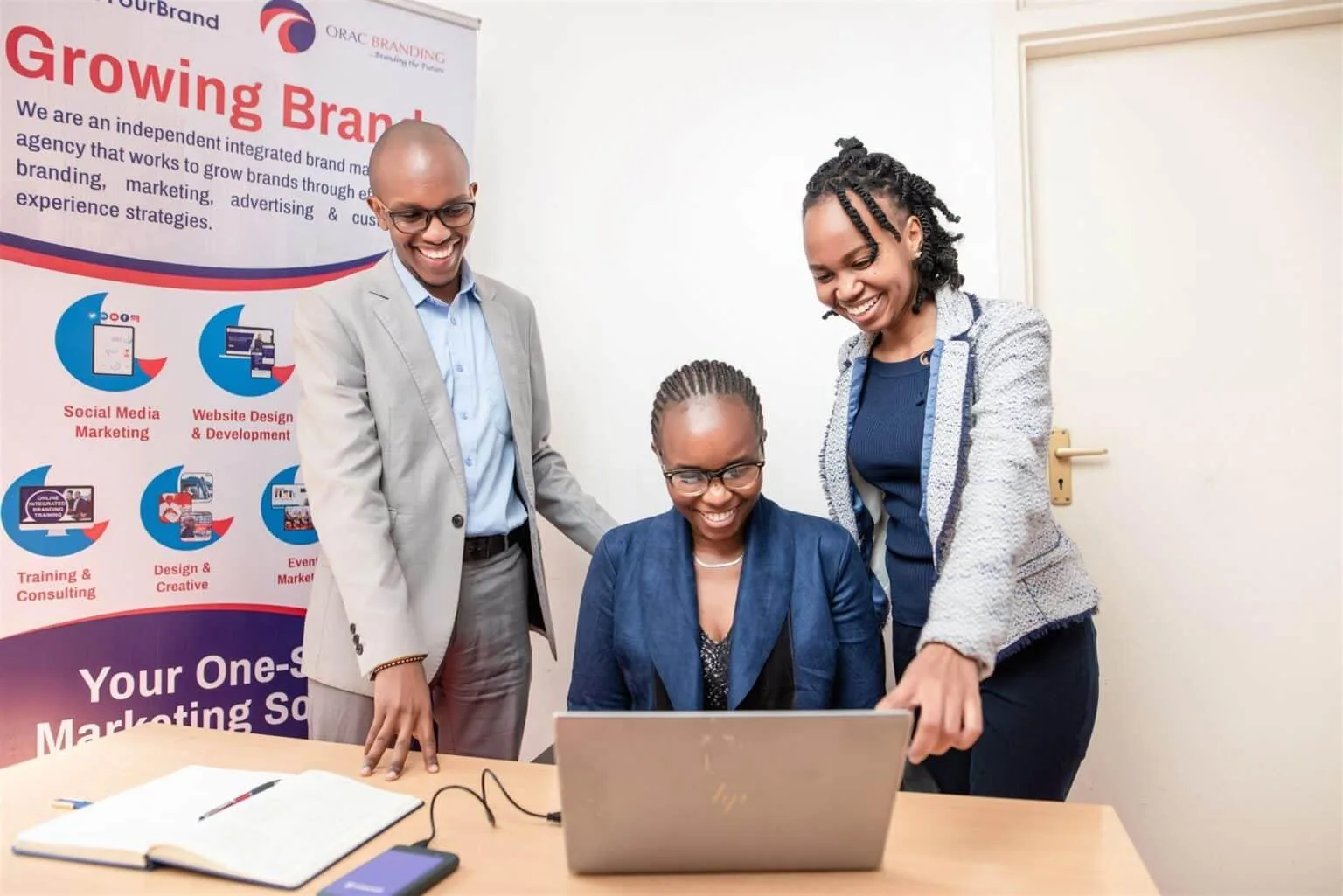
A brand guideline is useful only when people actually follow it.
Employees and external partners who create business materials should understand how to represent the company.
For example:
Marketing staff should use approved design templates.
Sales teams should use current company profiles and presentations.
Customer support teams should follow the company's communication standards.
Designers should work with approved logos, colours and fonts.
Managers should review important public-facing materials.
You can also create a shared folder containing approved logos, templates, photographs, fonts and other brand assets.
This reduces the risk of employees using outdated or incorrect files.
9. Common branding mistakes businesses should avoid
Some common mistakes can weaken the consistency of a company's identity.
Changing the logo too frequently: Customers need time and repeated exposure to recognise a brand. Avoid unnecessary redesigns.
Using too many colours: An uncontrolled colour palette can make marketing materials look unrelated.
Using different fonts everywhere: Too many typography styles can reduce visual consistency.
Using low-quality photographs: Poor images can make otherwise professional materials look unfinished.
Stretching or modifying the logo: Logo proportions, colours and spacing should be respected.
Ignoring mobile presentation: Your brand should look professional on both small and large screens.
Using outdated contact information: Old phone numbers, email addresses and website addresses can confuse customers.
Failing to maintain guidelines: Even a good brand identity can become inconsistent when every team member creates materials differently.
10. How BrightLink Technologies Ltd can help your business

At BrightLink Technologies Ltd, we help organisations build and improve their digital presence through technology and creative digital solutions.
We understand that your brand should be represented consistently across your website, online platforms and business communication.
Our services include:
Website Design and Development
We build professional, responsive websites designed around your organisation's brand, content and business objectives.
Digital Marketing
We help businesses improve their online visibility through SEO, social media management, content and digital campaigns.
Software Development
We develop custom management systems and business applications that support organisational operations.
IT Support and Consultancy
We provide practical technical support and technology guidance to help businesses use their digital infrastructure effectively.
Our approach starts by understanding your organisation and its goals before planning the appropriate solution.
Technology Solutions in Kigali, Rwanda+2
Explore our services:
Conclusion: Make your business recognisable everywhere
A strong brand is built through repeated, consistent experiences.
When customers see the same identity across your website, social media, printed materials and communication, it becomes easier for them to recognise your organisation.
You do not need an expensive branding campaign to begin. Start with a clear logo, a defined colour palette, consistent typography, professional communication and a simple brand guideline document.
As your business grows, maintain those standards across every new platform and marketing activity.
Is your business ready for a more professional and consistent brand identity?
BrightLink Technologies Ltd can help you create a digital presence that reflects your organisation and supports its growth.
Website: brightlinkltd.com
Email: info@brightlinkltd.com
Phone: +250 782 567 921 / +250 795 263 269
Location: Kigali, Rwanda