


Your Website Is More Than an Online Presence: How to Turn Visitors into Customers
Imagine a potential customer searching online for a company that offers the services your business provides.
They find your business name, visit your website, and start looking for information.
Can they immediately understand what you offer? Can they see examples of your work? Can they trust your company? And most importantly, can they easily contact you or make a purchase?
These questions determine whether your website is simply an online presence or a valuable business tool.
Today, having a website is not just about displaying your company name and contact information. A professionally developed website can help attract potential customers, build credibility, explain your services, generate inquiries, and support business growth.
For businesses in Rwanda and beyond, investing in the right website is an important step toward competing in an increasingly digital marketplace.
At BrightLink Technologies Ltd, we believe a business website should do more than look attractive. It should help businesses achieve real objectives.
Here are eight important ways to turn your website into a tool that supports business growth.
1. Make a Strong First Impression
Your website may be one of the first places potential customers interact with your business.
Before contacting you, people may want to understand who you are, what you do, and whether your company can meet their needs.
A poorly designed website can make even a capable business appear unprofessional.
A professional website should communicate:
Your company's identity and brand.
The products or services you provide.
The customers or industries you serve.
Your experience and areas of expertise.
How customers can reach you.
A clean layout, consistent branding, quality images, and clear information help visitors understand your business without unnecessary effort.
Remember: your website should create confidence, not confusion.
2. Explain Your Services Clearly
One common problem with business websites is that they display attractive designs but provide very little useful information.
A visitor should not have to guess what your business offers.
Your website should explain each important service, its value, and how customers can get started.
For example, a construction company could organize its website around:
Building construction.
Civil engineering.
Architectural design.
Project management.
Renovation and maintenance.
Completed projects and portfolio.
A technology company could present:
Website development.
Custom software development.
Digital marketing.
Business management systems.
IT consultancy.
Clear service pages help potential customers find relevant information and understand why they should contact your business.
3. Build Trust Through Real Business Information
Trust is essential when customers are deciding which company to work with.
A professional website should provide enough information for visitors to verify that your business is genuine and understand what they can expect.
Consider including:
About Us: Introduce your company, its experience, mission, and values.
Our Projects: Show completed work and practical examples of your capabilities.
Testimonials: Share genuine customer feedback with permission.
Our Team: Introduce key team members where appropriate.
Contact Information: Display accurate phone numbers, email addresses, location, and communication channels.
Professional Branding: Use consistent colors, logos, typography, and quality imagery.
Do not publish fake testimonials, exaggerated achievements, or projects that do not belong to your business. Credibility grows through accurate information and genuine evidence.
4. Make It Easy for Customers to Contact You
A website should make the next step obvious.
If visitors are interested in your services but cannot find how to contact you, you may lose valuable opportunities.
Make your contact options visible and convenient.
Depending on your business, these could include:
WhatsApp contact links.
Click-to-call phone numbers.
Professional email addresses.
Contact forms.
Appointment booking.
Request-a-quotation forms.
Location maps.
For businesses in Rwanda, integrating convenient communication options such as WhatsApp can make it easier for potential customers to start a conversation.
Use clear action messages such as:
Request a Quotation.
Book an Appointment.
Contact Our Team.
Get Started.
Explore Our Services.
Every important page should guide visitors toward a relevant next step.
5. Make Your Website Work Perfectly on Mobile Devices
Many customers access websites through smartphones.
A website that works well on a desktop but becomes difficult to use on a mobile phone can create a poor experience.
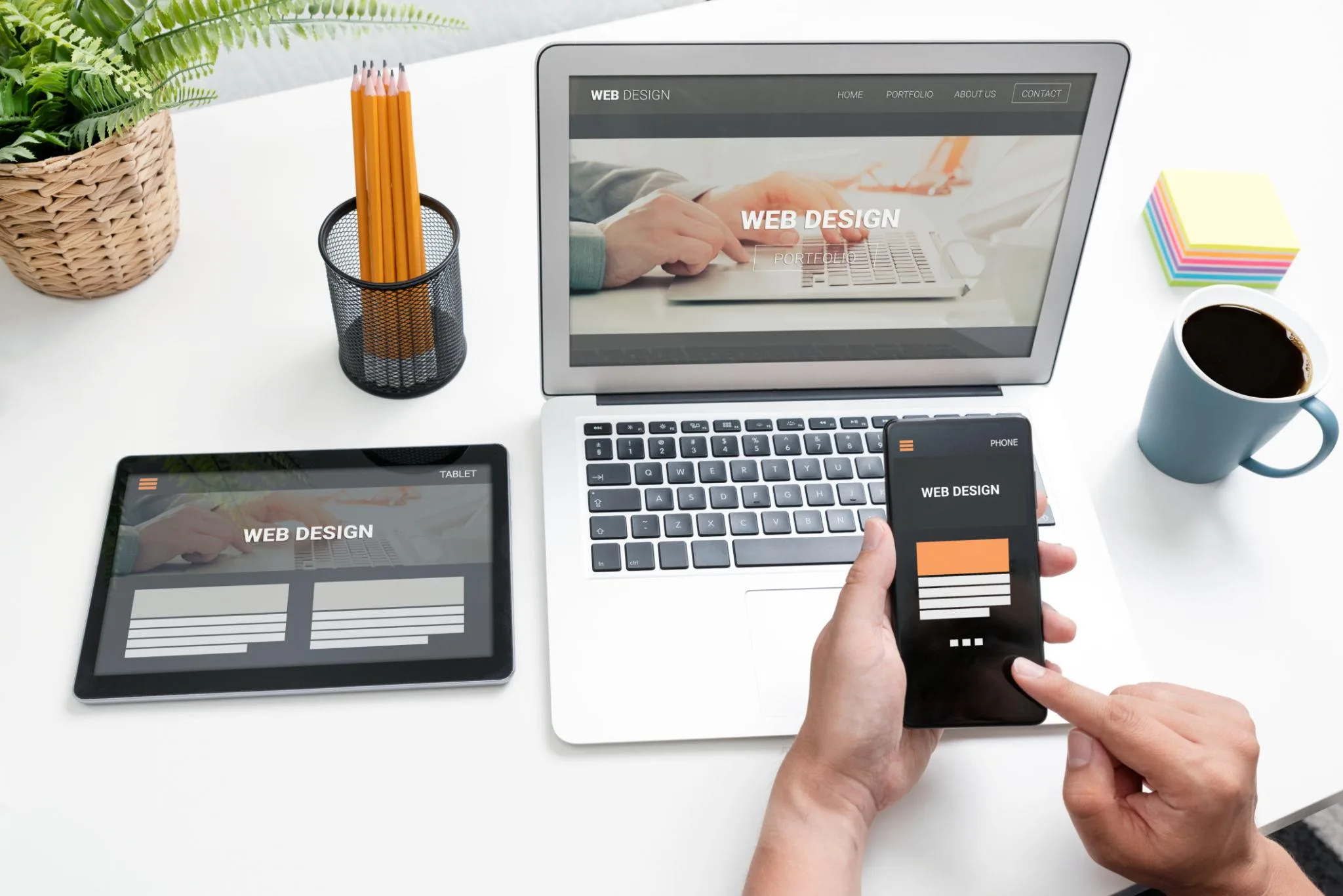
A professional website should be responsive, meaning its layout adapts to different screen sizes.
Important mobile considerations include:
Readable text without unnecessary zooming.
Easy-to-use navigation.
Properly sized buttons.
Images that display correctly.
Fast-loading pages.
Simple contact and inquiry options.
Mobile responsiveness is not an optional design feature. It is an important part of building a website that serves real customers.
6. Use SEO to Help Customers Find Your Business on Google
Having a website does not automatically mean customers will find it.
Search Engine Optimization (SEO) helps improve how your website is understood and discovered through search engines.
For example, a customer searching for a website development company in Kigali may use phrases such as:
Website development in Kigali.
Professional web design in Rwanda.
Custom software development in Rwanda.
Digital marketing services in Kigali.
Your website should have relevant pages and useful content that address the questions and services your potential customers are searching for.
Important SEO elements include:
Keyword Research: Understand the search terms relevant to your products and services.
Page Titles and Meta Descriptions: Write clear descriptions that explain each page.
Quality Content: Publish useful and relevant information for your audience.
Technical SEO: Ensure search engines can access and understand your website.
Image Optimization: Use descriptive image filenames, appropriate formats, and meaningful alt text.
Internal Linking: Connect related pages so visitors and search engines can discover more of your content.
Local SEO: Maintain consistent business information and optimize your online presence for relevant locations.
SEO is a continuous process. Results depend on competition, content quality, website performance, authority, and many other factors. A professional website provides a foundation, but visibility must be developed over time.
7. Turn Your Website into a Business Tool
A website can do much more than introduce your company.
Depending on your business requirements, it can become a platform that supports everyday operations.
For example:
E-commerce Website
Allow customers to explore products, place orders, and interact with your online store.
Hotel Website
Present rooms, facilities, services, and reservation options to potential guests.
Property Website
Display available properties, photographs, descriptions, and inquiry options.
Construction Website
Show completed projects, services, company capabilities, and quotation request forms.
Customer Portal
Allow registered customers to access selected information and services.
Business Management Platform
Connect selected operational processes through a dedicated software system.
The right website depends on what your business needs to achieve. Some companies need a professional corporate website, while others require a more advanced web application.
8. Keep Your Website Updated and Secure
Launching a website is not the end of the process.
Your business changes, services improve, projects are completed, and contact information may need updating.
An outdated website can give visitors the impression that a business is inactive or does not pay attention to its online presence.
Regular website maintenance should include:
Updating business information.
Publishing new projects and company news.
Updating website software and dependencies.
Maintaining backups.
Monitoring website performance.
Checking contact forms and important links.
Reviewing security configurations.
A well-maintained website supports a more reliable experience for both your customers and your team.
What Type of Website Does Your Business Need?
Not every business requires the same website.
The best solution depends on your industry, customers, operational needs, and growth objectives.
Here are some common options:
Website type | Main purpose |
|---|---|
Corporate website | Present the company and its services |
E-commerce website | Sell products and manage online orders |
Hotel website | Promote accommodation and support reservations |
Construction website | Showcase projects and attract clients |
Portfolio website | Display work, skills, and achievements |
Booking website | Allow customers to request appointments |
Custom web application | Support specialized business operations |
The important thing is to select a solution that addresses your actual business needs rather than choosing a website simply because it looks impressive.
Why Choose BrightLink Technologies Ltd for Your Website Development?
BrightLink Technologies Ltd is a technology company based in Kigali, Rwanda, helping businesses establish and improve their digital presence through professional technology solutions.
We understand that every business has different goals. That is why website development should begin with understanding your business, your customers, and what you want your website to achieve.
Our website development services focus on:
Professional Website Design
We create modern website designs that communicate your brand and provide a clear experience for visitors.
Responsive Website Development
We develop websites that adapt to desktop, tablet, and mobile devices.
Business-Focused Functionality
We can develop features such as contact forms, appointment booking, content management, customer portals, and other functionality according to project requirements.
SEO Configuration
We handle important SEO configurations to help establish a strong technical and content foundation for search visibility.
Content Management
Where required, we build content management functionality that allows authorized business users to update website content, images, and other information.
Ongoing Technical Support
We can help businesses maintain, improve, and expand their digital platforms as their needs evolve.
Whether you are launching a new company, improving an outdated website, or building a more advanced online platform, BrightLink can help you explore the right solution.
Conclusion: Your Website Should Work for Your Business
A website should not simply exist because every other company has one.
It should have a purpose.
It should help people discover your business, understand your services, trust your company, and take the next step toward working with you.
A professional website combines good design, useful content, responsive development, security, SEO, and convenient communication.
As more businesses and customers engage with digital services, having a well-developed online presence can help your company communicate more effectively and create new opportunities.
At BrightLink Technologies Ltd, we build websites and digital solutions designed around business needs.
Ready to Build a Professional Website for Your Business?
Let us help you turn your online presence into a valuable business asset.
Visit: https://brightlinkltd.com
Contact BrightLink Technologies Ltd to discuss your website project.
BrightLink Technologies Ltd
Innovative Digital Solutions for Modern Businesses
Website: https://brightlinkltd.com
Email: info@brightlinkltd.com
Phone: +250 782 567 921 / +250 795 263 269
Location: Kigali, Rwanda
Your business deserves more than just a website. It deserves a digital platform that works.