

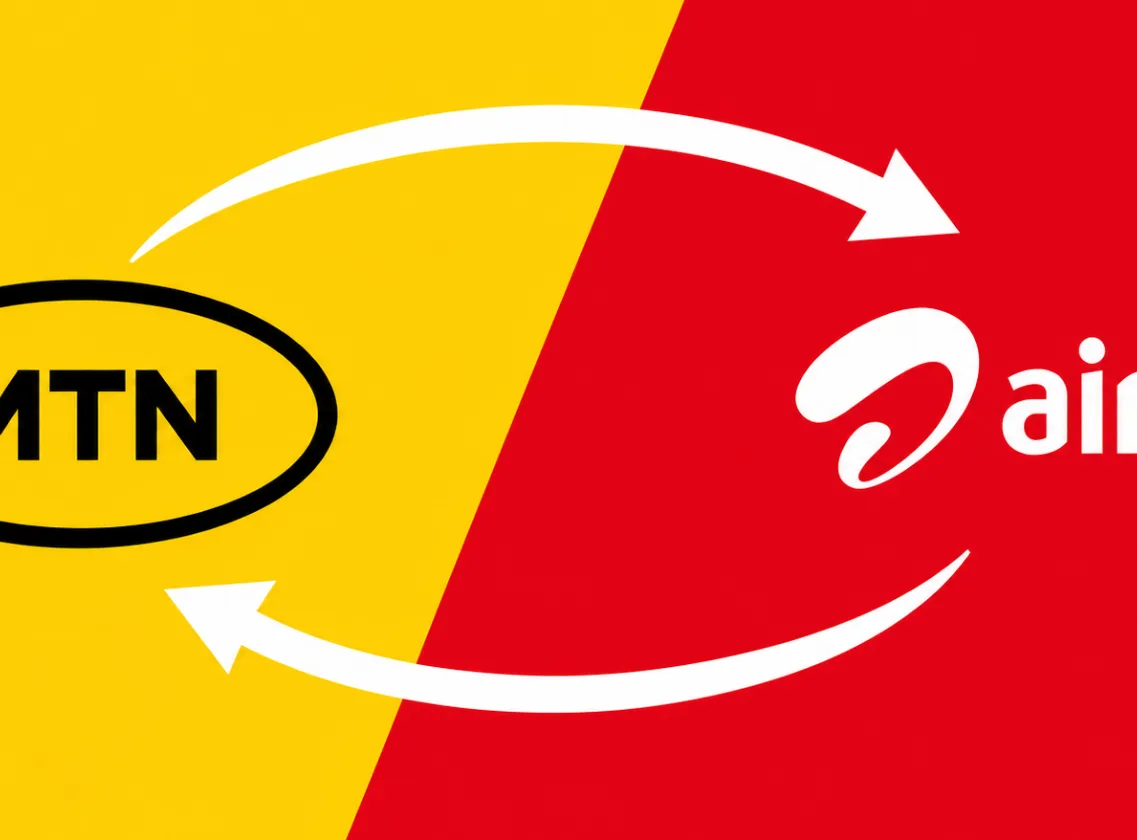
Rwanda's planned Mobile Number Portability system is expected to give subscribers greater freedom to move between telecom operators while retaining their existing phone numbers and mobile-money wallets.
Mobile phone users in Rwanda could soon have more freedom to choose their telecommunications provider without losing the phone numbers and mobile-money wallets they already use.
The development follows a Cabinet meeting held on Thursday, November 26, 2026, chaired by President Paul Kagame at Urugwiro Village.
According to the official Cabinet communiqué, the Mobile Number Portability (MNP) initiative will allow mobile subscribers to switch from one telecommunications operator to another while retaining their existing phone numbers and mobile-money wallets.
The initiative is intended to increase consumer choice and competition, improve access to better and more affordable services, and advance digital and financial inclusion.
What is Mobile Number Portability?
Mobile Number Portability is a telecommunications service that allows a subscriber to change mobile network operators without changing their existing telephone number.
For example, a customer using an MTN Rwanda number could move to Airtel Rwanda and continue using the same number.
Similarly, an Airtel subscriber could switch to another participating operator without having to inform friends, relatives, customers and business contacts about a new telephone number.
The service is designed to reduce one of the traditional barriers to changing mobile operators: the inconvenience of losing or replacing a familiar phone number.
Mobile-money wallets are also part of the announcement
One of the most important aspects of Rwanda's Cabinet announcement is the inclusion of mobile-money wallets.
Mobile money is widely used for everyday transactions, including sending money, receiving payments and paying for services.
For individuals and businesses, mobile-money accounts can be closely connected to their daily financial activities.
Allowing subscribers to retain their mobile-money wallets when switching telecommunications providers could make changing networks more convenient.
However, the Cabinet communiqué does not provide detailed technical information about how wallet access, account management and transactions will work across operators. Those implementation arrangements will need to be clarified by the relevant authorities and service providers.
Rwanda already has a regulatory framework for number portability
The latest Cabinet announcement builds on work that had already been undertaken by the Rwanda Utilities Regulatory Authority (RURA).
In November 2024, RURA issued Regulation No. 019/R/ICT/RURA/2024 Governing Mobile Number Portability in Rwanda.
The regulation establishes the framework for transferring mobile numbers between telecommunications operators.
It provides for a formal process involving subscriber identification, a portability application, verification of ownership and coordination between the operators involved.
The regulation also establishes technical arrangements to support the service, including a Number Portability Clearinghouse (NPC) and a Central Reference Database (CRDB).
These systems are intended to help telecommunications operators identify the network currently serving a particular phone number so that calls and messages can be routed correctly.
How will subscribers switch networks?
Under the existing RURA regulation, subscribers requesting to transfer their numbers are expected to follow a verification and application process.
The process includes:
Requesting the transfer through the operator they want to join.
Presenting an approved identification document.
Confirming ownership of the existing phone number.
Completing and signing a number-portability request form.
Sending an SMS verification message through the designated process.
Allowing the portability system and operators to validate and complete the request.
The new operator is referred to as the recipient operator, while the operator a subscriber is leaving is the donor operator.
The regulation provides for the portability process to be completed within a maximum of one porting day after the validated request is sent to the donor operator for approval.
The detailed operational arrangements and public instructions will be important in determining how easily customers can use the service.
Will switching networks be free?
RURA's existing regulation provides that neither the operator a subscriber is leaving nor the operator they are joining may charge for transferring the phone number.
However, the new operator may charge for a replacement SIM card, provided the fee does not exceed the applicable SIM-swap price.
This provision is intended to prevent number-portability charges from becoming another obstacle for customers who want to change providers.
Are there conditions that could prevent a subscriber from switching?
The existing regulation provides for circumstances in which a portability request may be rejected.
These include:
An inactive phone number.
A number reported as stolen or lost.
Certain outstanding eligible debts owed to the existing operator.
Other grounds provided for under the applicable regulatory and operational rules.
Subscribers should therefore ensure that their registration details are accurate and that they understand any outstanding obligations before requesting a transfer.
The regulation also provides that a number that has already been transferred must generally remain with the new operator for 90 calendar days before another portability request can be made.
What happens to existing airtime and other services?
Although the Cabinet announcement confirms that subscribers will retain their phone numbers and mobile-money wallets, customers should not assume that every existing service or balance will automatically move to the new operator.
RURA's 2024 regulation specifically states that prepaid subscribers will lose any remaining airtime credit when their number is transferred.
It also warns that some services provided by the previous operator may no longer be available after the transfer. These can include voicemail services and associated messages, as well as undelivered SMS or MMS messages.
The precise treatment of internet bundles, other operator-specific services and mobile-money arrangements should be confirmed through official implementation guidance before customers make switching decisions.
What does this mean for MTN and Airtel customers?
The initiative could change how customers evaluate telecommunications providers in Rwanda.
Previously, some subscribers may have remained with a particular operator because changing their number would have disrupted personal communication, business contacts or services linked to that number.
With number portability, customers could have greater flexibility to compare operators based on factors such as:
Network coverage in their locations.
Internet speed and reliability.
Data bundle prices.
Call and SMS tariffs.
Customer support.
Availability of digital and financial services.
The possibility of retaining mobile-money wallets could further reduce concerns for people who depend on mobile financial services.
For telecom operators, the initiative could increase pressure to compete through service quality, affordability and customer experience.
When will the service become available?
The Cabinet communiqué of November 26, 2026 confirms that the initiative was discussed by Cabinet, but it does not specify a public launch date or provide a detailed schedule for subscribers.
RURA's existing regulation established the regulatory framework and set out the technical and operational requirements for introducing the service.
However, customers should wait for official announcements from RURA and the telecommunications operators regarding the operational launch, application locations, required documents and detailed switching procedures.
Until those instructions are officially communicated, subscribers should not assume that they can already transfer their numbers.
A step towards greater digital and financial inclusion
Mobile Number Portability is an important development in Rwanda's telecommunications sector.
By reducing the inconvenience of changing network providers, the initiative could give consumers greater freedom to choose services that meet their needs.
The inclusion of mobile-money wallets in the Cabinet announcement is particularly significant because mobile financial services are an important part of everyday economic activity.
The success of the initiative will depend not only on the policy announcement but also on effective implementation, clear customer information, reliable technical systems and cooperation between telecommunications providers.
For Rwandan subscribers, the central message is clear: the country is moving towards a system in which changing mobile operators should no longer mean giving up the phone number and mobile-money wallet they already rely on.